Top Wholesale Gold Jewelry Strategies to Boost Retail Sales in 2026
The gold jewelry market continues to offer opportunities for retailers, but success in 2026 requires more than simply stocking attractive designs. Customers are becoming more careful about their spending, comparing prices, exploring different styles, and looking for products that deliver quality and value. Retailers must adapt their product selection, marketing efforts, and inventory planning to meet these expectations.
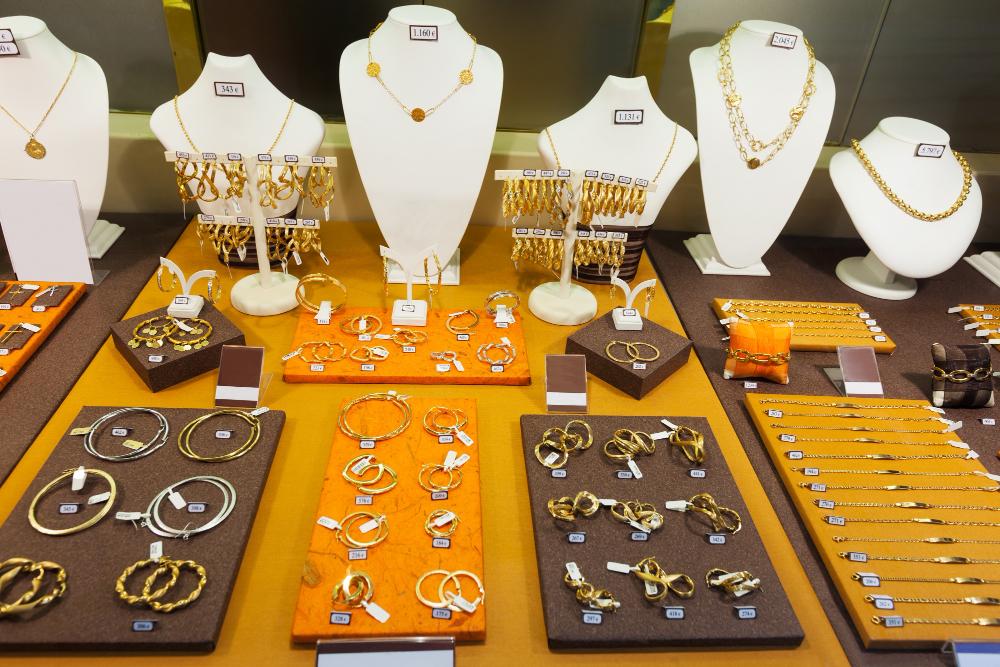
For jewelry businesses, a practical sales strategy begins with understanding customer preferences and building a collection that suits different budgets. By combining thoughtful product sourcing with effective online promotion and dependable customer service, retailers can strengthen customer relationships and encourage repeat purchases.
1. Choose Designs That Match Current Customer Preferences
Product selection plays a major role in retail sales. Some customers prefer traditional gold designs for weddings and celebrations, while others look for lightweight accessories suitable for daily wear. Minimalist necklaces, delicate bracelets, simple rings, and small earrings can appeal to shoppers who value versatility.
Retailers should also consider statement pieces, layered necklaces, and contemporary designs that attract fashion-conscious customers. Offering a balanced collection allows businesses to reach different age groups and style preferences.
When sourcing Wholesale Gold Jewelry, retailers should evaluate design variety, product quality, pricing, and supplier consistency. Reviewing customer feedback and sales records can help identify popular products and prevent unnecessary spending on slow-moving inventory.
2. Offer Options for Different Budgets
Affordability is an important consideration when customers are purchasing gold jewelry. Changes in gold prices can influence buying decisions, encouraging shoppers to explore lighter pieces and designs with lower overall costs.
Retailers can respond by offering products across several price ranges. Lightweight chains, small pendants, delicate bracelets, and simple earrings may appeal to budget-conscious customers, while elaborate designs can serve shoppers seeking premium pieces.
Clear product descriptions and transparent pricing help customers understand their options. Retailers should explain relevant details such as gold purity, weight, making charges, and applicable taxes where appropriate. Honest communication makes it easier for shoppers to compare products and choose items that fit their budgets.
3. Improve Product Photography and Online Listings
Many customers discover jewelry through online stores before deciding what to buy. High-quality product photography can help retailers present their collections professionally and give shoppers a clearer understanding of each design.
Use images that show jewelry from multiple angles, including close-ups of important details. Where possible, include photographs of the pieces being worn so customers can better understand their size and appearance.
Product descriptions should provide accurate information about materials, dimensions, available sizes, finishes, and care instructions. Organizing products into useful categories, such as necklaces, rings, bracelets, and earrings, also makes browsing easier.
A mobile-friendly website, fast-loading pages, secure checkout, and clear shipping and return policies can further improve the shopping experience.
4. Use Social Media to Attract New Customers
Social media platforms provide jewelry retailers with opportunities to showcase designs and connect with potential buyers. Short videos, styling demonstrations, product close-ups, and seasonal gift guides can help customers discover new pieces.
Retailers can create content around wedding accessories, everyday styling, anniversary gifts, festive collections, and jewelry care. These topics provide useful information while introducing customers to relevant products.
Working with suitable influencers or content creators may also help businesses reach new audiences. Retailers should choose partnerships that match their brand and target market rather than focusing only on follower numbers.
Consistent posting, clear product information, and prompt responses to customer questions can help build trust and encourage shoppers to explore the collection.
5. Plan Inventory Around Seasonal Demand
Sales often change throughout the year as customers shop for weddings, holidays, anniversaries, birthdays, and other special occasions. Planning inventory around these periods can help retailers make better use of their budgets.
Review previous sales data to identify popular products and seasonal buying patterns. Stocking decisions should reflect actual customer demand rather than relying entirely on fashion predictions.
Retailers can also test new designs in smaller quantities before expanding their orders. This approach helps them understand which products attract attention and which items generate repeat sales.
Regularly reviewing inventory allows businesses to reduce overstocking, manage cash flow, and focus on products with stronger sales potential.
6. Build Reliable Supplier Relationships
A dependable supplier can make a significant difference to retail performance. Consistent product quality, accurate inventory information, reasonable delivery timelines, and responsive communication help businesses manage customer expectations.
Before choosing a supplier, retailers should review product specifications, request samples where possible, and understand the terms of purchase. They should also confirm how returns, damaged items, and stock shortages are handled.
For gold jewelry, accurate information about purity and materials is particularly important. Retailers should verify relevant documentation and ensure that product claims are supported by reliable evidence.
Strong supplier relationships can help businesses maintain a consistent collection and respond more effectively to customer demand.
7. Strengthen SEO and Customer Retention
Search engine optimization can help jewelry retailers attract people who are actively searching for particular products. Use descriptive page titles, useful category descriptions, relevant keywords, and informative blog content to improve website organization and search visibility.
Blog articles about choosing gold gifts, styling necklaces, caring for jewelry, and selecting accessories for special occasions can answer customer questions while introducing relevant products.
Customer retention deserves equal attention. Personalized recommendations, helpful follow-up messages, loyalty rewards, and timely updates about new collections can encourage previous buyers to return. Retailers should keep communication relevant and respect customer preferences.
Conclusion
Boosting jewelry sales in 2026 requires a combination of smart product selection, transparent pricing, effective digital marketing, careful inventory management, and reliable supplier partnerships. Retailers that understand their customers and continually improve the shopping experience can build stronger relationships and support sustainable business growth.
Explore gold jewelry collections to discover designs suitable for different styles, budgets, and occasions. Visit https://www.rcjewelry.com/Category/Gold-2.aspx to browse available options and find inspiration for your retail jewelry selection.


Comments
Post a Comment